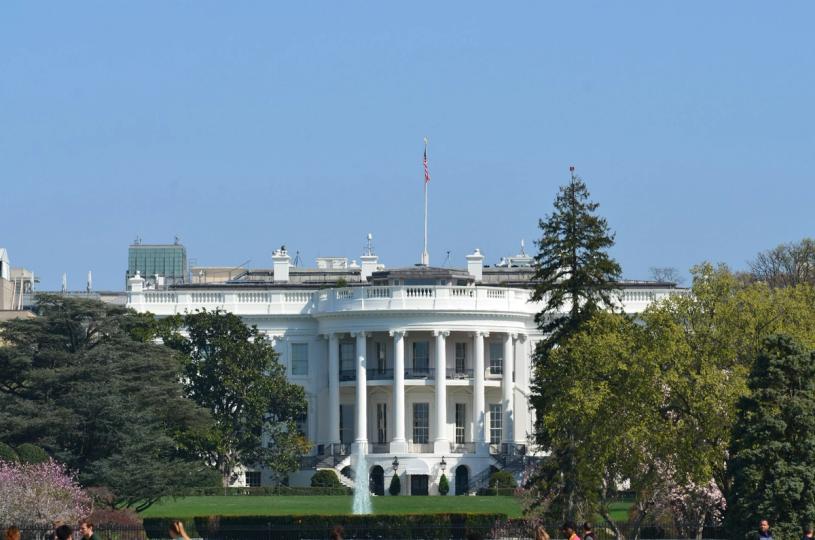
In an effort to address growing concerns about the emerging landscape of digital currencies, the White House is set to convene discussions with key players from both the cryptocurrency sector and traditional banking institutions. Scheduled for an important meeting this Wednesday, the focus will be on the legislative framework surrounding stablecoins, a type of cryptocurrency pegged to real-world assets like the U.S. dollar.
Participants Involved and Their Stake
This meeting will bring together representatives from major cryptocurrency companies and established banks. Central to these discussions will be insights from the White House’s internal cryptocurrency policy council, which comprises officials from the National Economic Council, the Department of Treasury, and various other regulatory bodies. The aim is to gather direct feedback from these market participants, allowing for a comprehensive understanding of the current impasses affecting proposed legislation.
The Legislative Framework Under Debate
Legislation concerning stablecoin structure and usage was previously delayed, prompting a closer examination of how to regulate the rewards associated with these digital assets. A major sticking point is the proposal to impose limits on interest or reward mechanisms for stablecoins, a move that has raised vocal objections from banks. These financial institutions argue that allowing stablecoin issuers to offer rewards could lead to a detrimental outflow of traditional bank deposits.
The Economic Implications of Crypto Rewards
Both sectors differ significantly in their views on stablecoin rewards. Proponents within the cryptocurrency community contend that such incentives provide tangible benefits to end-users, potentially enhancing the overall utility of digital currencies. On the other hand, bankers have expressed concerns that yield products in the crypto market could pose a significant competitive threat to conventional banking, leading to increased instability.
Why This Meeting Matters
The implications of this gathering extend far beyond the immediate discussions on stablecoins. The outcome could set a precedent for how rewards in the blockchain ecosystem are legally interpreted and managed. As cryptocurrencies gain traction, the ability of traditional banks to adapt to these new digital frameworks will be crucial in shaping the future of financial services in the United States.
A Crossroads for Regulation and Innovation
The impending meeting reflects a pivotal moment in the balancing act between fostering innovation in the crypto space while ensuring regulatory compliance and stability within the traditional banking system. This dialogue not only underscores the significance of cooperation between these two industries but also highlights the importance of crafting legislation that serves the interests of all stakeholders involved.
As the meeting approaches, stakeholders across both sectors will be keenly watching how their interests are represented and prioritized in the evolving landscape of digital finance.