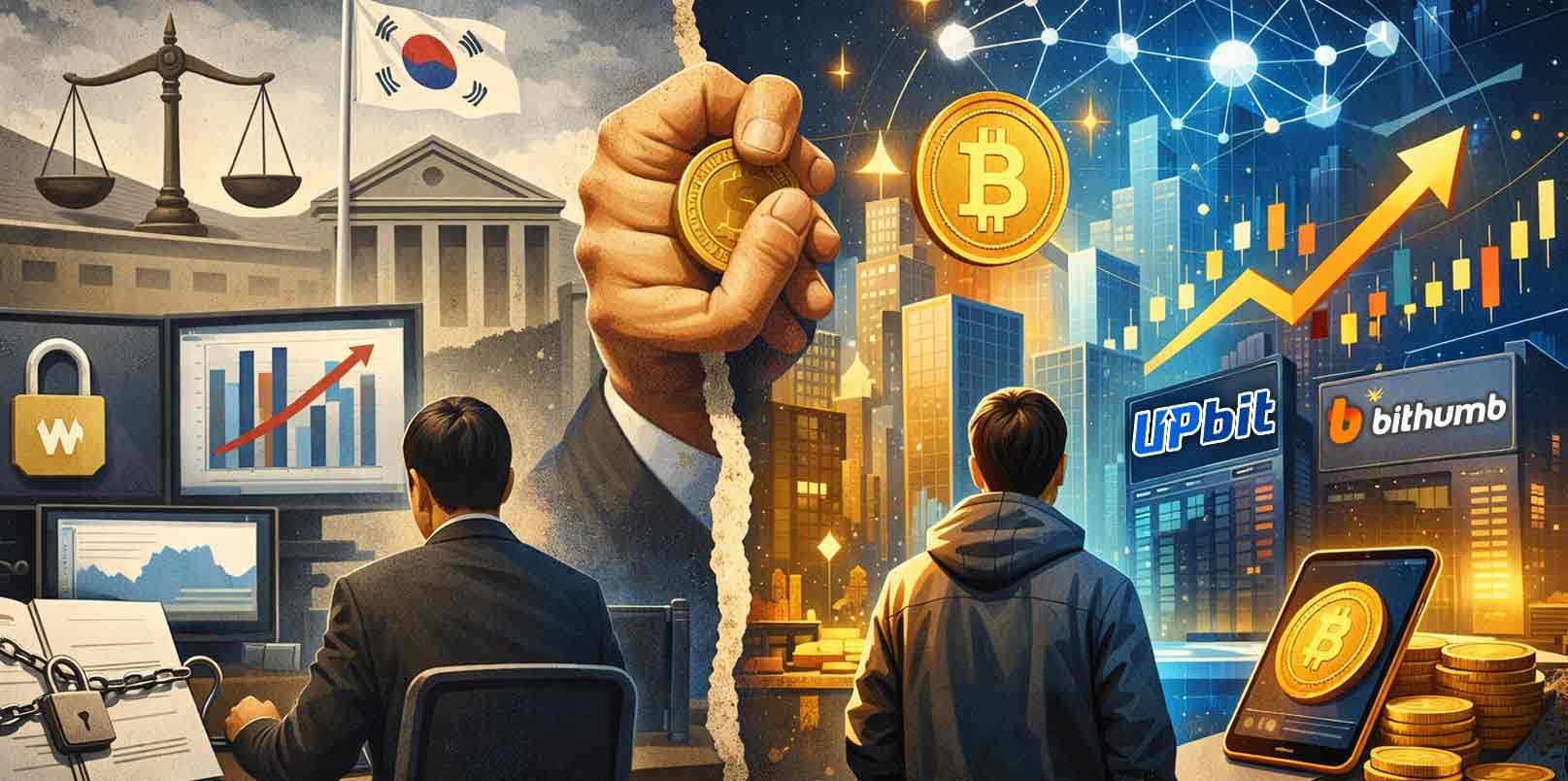
As South Korea’s digital asset market navigates a crucial juncture, the current discourse surrounding ownership regulations signals a deeper transformation in how the country approaches crypto governance and innovation. This dynamic situation demands a careful balancing act between fostering market growth and ensuring robust investor protection.
Key Players in Korea’s Crypto Landscape
The proposed regulation, led by the Financial Services Commission (FSC), aims to set a cap of 15-20% on major shareholders’ stakes in virtual asset exchanges. This initiative reflects attempts to mirror governing structures akin to traditional financial trading systems, promoting transparency and minimizing potential conflicts of interest. The cap is seen as a move toward aligning Korea’s crypto exchanges more closely with established financial institutions, which presently have over 11 million users engaging in trading activities.
Regulatory Objectives: Enhancing Transparency and Accountability
Regulators argue that limiting large stakes will reduce insider trading risks and bolster public trust in digital asset platforms. As they reimagine the governance framework, officials contend that these exchanges should act as integral parts of the financial infrastructure rather than independent trading venues. This approach is designed to ensure that user interests are safeguarded as the industry matures.
Criticism from the Industry: Fear of Innovation Stifling
However, the proposed changes have met with significant resistance from major players in the market, including Upbit, Bithumb, and Coinone. Represented by the Digital Asset Exchange Alliance (DAXA), these companies have raised concerns that enforced ownership alterations could lead to diminished competitiveness and worse user experiences. Founders like Song Chi-hyung have expressed that these regulations jeopardize the organic growth of the industry.
Broader Implications: A Test for Korea’s Market Position
The conversation surrounding these governance reforms comes at a time when Korea’s digital asset market is experiencing record trading activity, yet grappling with structural limitations. In recent reports, trading volumes reached significant heights, particularly with Upbit achieving KRW 411 trillion in a single quarter. Nevertheless, some argue that these exchanges remain overly reliant on retail trading fees, unlike their global counterparts who have diversified their offerings.
Community Concerns: Roots of Entrepreneurship Under Scrutiny
This ownership discussion also echoes through various sectors, as venture organizations like the Korea Startup Forum are advocating for a cautious approach. They worry that forced ownership divestitures could disrupt not only management continuity but also the very spirit of entrepreneurship that has defined Korea’s tech landscape.
The Governance Equation: Safety vs. Growth
While regulators maintain that capping shareholding would lead to necessary reforms, exchange executives counter that major shareholders play a pivotal role in consumer protection and accountability. They propose that encouraging exchanges to pursue initial public offerings (IPOs) could be a more effective means of ownership diversification without hindering innovation.
Future Vision: Shaping a Balanced Framework
The ongoing dialogue also encompasses related debates regarding stablecoin regulations and investment rules, highlighting an urgent need for laws that reflect the realities of the burgeoning digital economy. As policymakers and industry leaders prepare to review the Digital Asset Basic Act, a balanced regulatory framework could position Korea as a leader in digital finance, driving sustainable innovation without stifling creativity.
At this pivotal moment in Korea’s digital asset evolution, stakeholders must navigate their next steps carefully. The pressing question remains: can a governance model be developed that supports innovation while upholding essential user protections? The answers to these questions will significantly shape the future of Korea’s digital finance landscape.
– Stay Updated on Korea’s Developing Tech Scene –
For real-time insights and updates on funding and regulations influencing Korea’s innovation ecosystem, follow KoreaTechDesk across social media platforms.