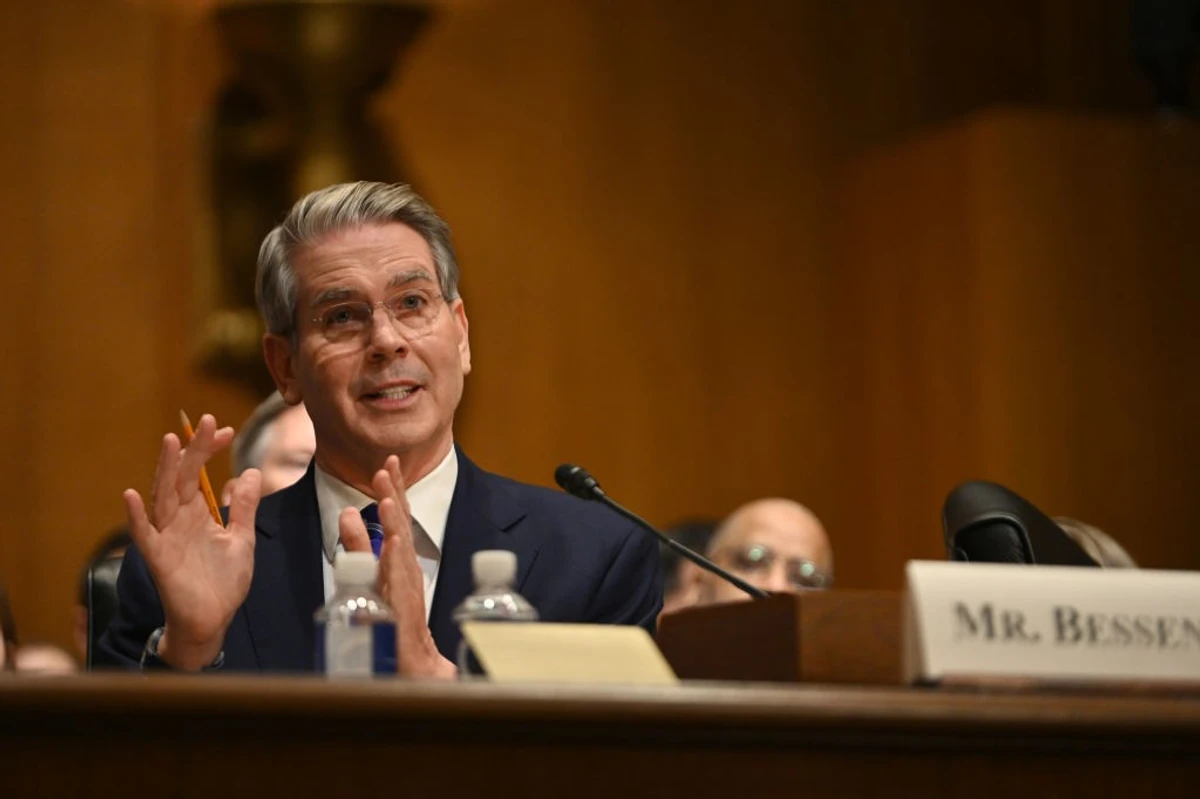
In a significant move towards integrating digital currencies with traditional banking systems, the U.S. government is taking steps to establish new regulations that could reshape the financial landscape. This effort has sparked a conversation about the potential merging of banking and cryptocurrency sectors, a topic highlighted by U.S. Treasury Secretary Scott Bessent during a recent Senate hearing.
CLARITY Act: A Vision for the Future
During the Senate hearing, Bessent addressed an important question regarding the future of banking and cryptocurrency services. He expressed optimism, stating, “I think that can happen over time.” His comments reflect ongoing discussions with smaller and regional banks on how they might adapt to the evolving digital economy. The proposed CLARITY Act is expected to provide essential structure and clarity for the cryptocurrency market, which has faced significant uncertainty due to a lack of clear regulations.
Bessent emphasized the urgency of passing the CLARITY Act, arguing that rapid legislative approval is crucial to minimize the current state of ambiguity that affects both businesses and consumers. “We need to get this CLARITY Act across the finish line; those who oppose it can move to El Salvador,” he added, referring to the country where Bitcoin has achieved official currency status.
Banking Sector’s Hesitation
Despite this hopeful outlook, the legislative journey of the CLARITY Act faces challenges, particularly regarding regulations involving stablecoins. These digital currencies, pegged to traditional assets, have raised concerns among lawmakers, prompting debates over limiting yields associated with stablecoin investments. Major cryptocurrency entities, such as Coinbase, have voiced their opposition to such restrictions, indicating a split in preferences within the industry.
Another key issue is the potential for a shift of savings from traditional banks to stablecoins, an action criticized by some that could disrupt banks’ reliance on stable deposits used for lending. Bessent characterized fluctuations in bank deposits as “highly undesirable,” committing to ensure that these variations do not create further instability in the financial system.
Proposals from Cryptocurrency Firms
In light of these concerns, various cryptocurrency companies have presented proposals aimed at alleviating tensions regarding regulatory measures. Some suggestions include enhancing the role of local banks in the stablecoin ecosystem, thereby bridging the gap between traditional finance and the burgeoning crypto industry.
As discussions on the future of banking and cryptocurrency continue, the implications of these developments could have far-reaching consequences for both sectors and the broader economy.