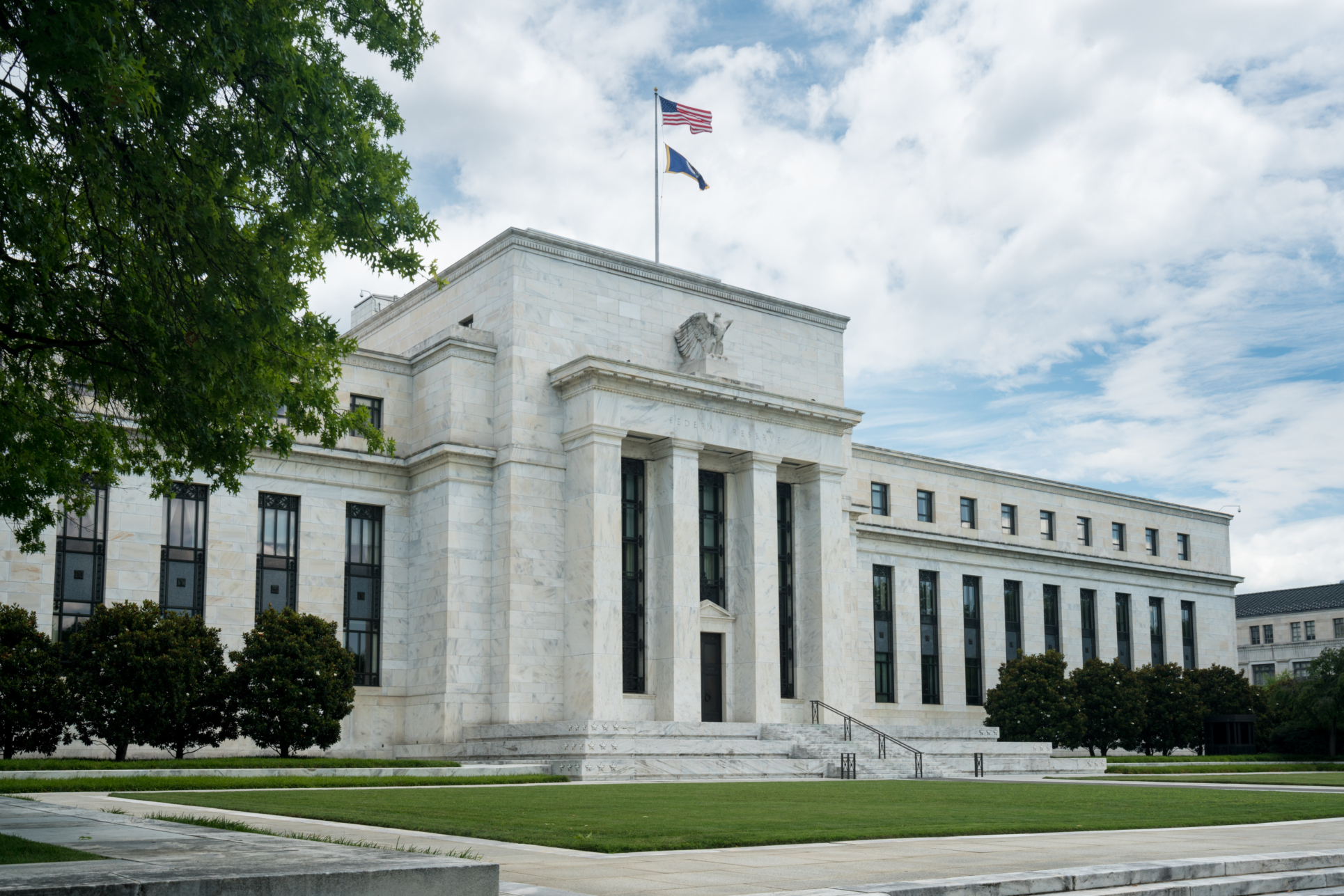
The landscape of cryptocurrency regulation appears to be shifting dramatically, offering potential benefits for financial institutions and consumers alike. This change stems from the recent decision by the Federal Reserve (the central banking system of the United States) to revise its stringent policies regarding banks’ involvement in the crypto sector. These modifications could signify a significant easing of restrictions that have dominated the financial environment for the past few years.
New Outlook for Banks
In a notable move, the Federal Reserve announced on Wednesday that it has scrapped a restrictive policy document from 2023. This old policy had placed tight constraints on state-chartered banks, particularly concerning their ability to engage in activities related to cryptocurrencies. The initial stance was rooted in a “strong suspicion” surrounding new financial products and practices, including cryptocurrency operations.
The previous regulations essentially barred banks from engaging in key crypto activities, such as holding Bitcoin on their balance sheets or issuing stablecoins—digital currencies tied to traditional fiat currencies like the US dollar. These limitations made it nearly impossible for banks to adapt and innovate within the growing digital currency market.
Adjustment in Rules for State-Chartered Banks
Under the revised policies set to take effect in 2025, insured state banks, which are covered by the Federal Deposit Insurance Corporation (FDIC), will still adhere to stringent regulations. However, they will now have the opportunity to request individual permissions to undertake activities that were previously restricted. This change allows for a more tailored approach, enabling banks to explore the evolving crypto landscape while maintaining necessary oversight.
Impact on the Community
This regulatory shift could have far-reaching implications for both the banking sector and everyday consumers. As banks begin to navigate the newly liberalized environment, customers may notice enhanced services related to cryptocurrencies, including better access to digital wallets, cryptocurrency transactions, and investment products. These developments could potentially attract more institutional investment into the crypto space, which might establish the United States as a global leader in cryptocurrency innovation.
The recent adjustments build upon a prior decision made in June of this year, where the Federal Reserve indicated that supervisory bodies would no longer consider “reputational risk” when evaluating banks. This vague term had been used to indirectly marginalize crypto businesses, leading many to conclude that the financial system was not equipped to handle such innovations. By removing such nebulous guidelines, the focus is now placed squarely on measurable financial risks.
The Role of Leadership
President Donald Trump has publicly expressed his support for the cryptocurrency sector, emphasizing his goal of positioning the United States as the “crypto capital of the world.” His administration’s stance reflects a growing trend among leadership to embrace rather than combat financial innovation. This political backing adds a unique dimension to the evolving relationship between federal regulators and the burgeoning crypto industry.
Concluding Remarks
The Federal Reserve’s actions indicate a broader trend toward flexibility in financial regulations. As the financial system adapts to new technologies and consumer demands, the alleviation of stringent policies could catalyze innovation in the banking sector. While challenges remain, including managing risks associated with digital currencies, these regulatory changes could pave the way for a more vibrant and inclusive financial landscape.