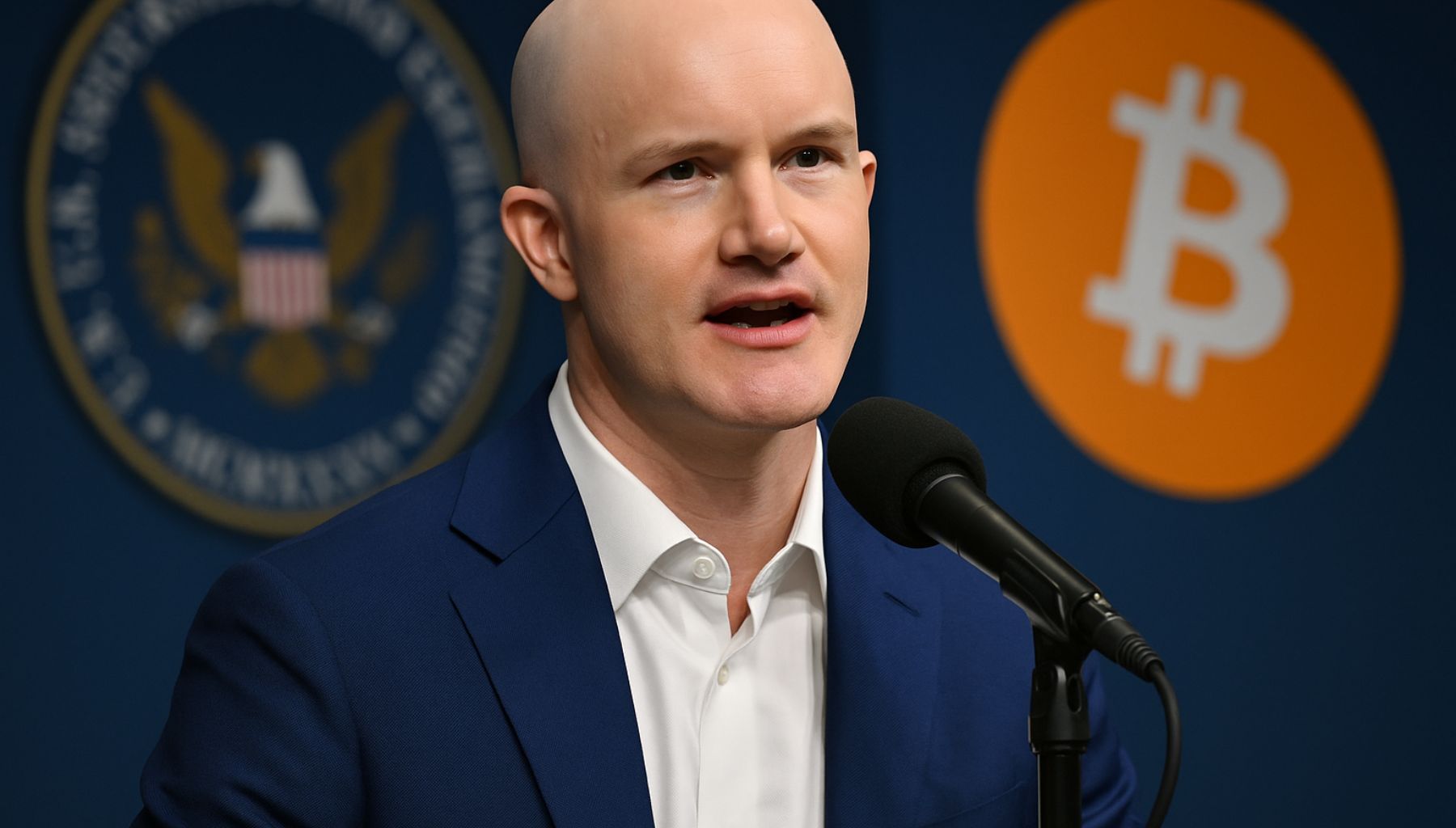
The recent turmoil over cryptocurrency regulation in the United States highlights the significant challenges facing both traditional banks and the rapidly evolving crypto market. As the nation seeks to establish a coherent regulatory framework, tensions have escalated between major players, with accusations and frustrations surfacing amid stalled legislation.
Impact of the Stalled CLARITY Act
At the heart of the current discord is the Digital Asset Market Clarity Act, commonly referred to as the CLARITY Act. This proposed legislation aims to clarify federal oversight of various digital assets after prolonged confusion and overlapping enforcement measures. By delineating responsibilities between the Securities and Exchange Commission (SEC) and the Commodity Futures Trading Commission (CFTC), the Act promises to offer crucial guidelines to a marketplace that desperately needs structure.
The provisions within the bill also aim to regulate stablecoins and outline requirements for digital asset custody, aiming to ensure compliance among cryptocurrency intermediaries. This clarity is fundamental, as the regulatory landscape has been murky, leading to uncertainty for companies and investors alike.
Coinbase’s Withdrawal of Support
However, the path toward establishing this framework hit a significant roadblock when Coinbase announced in January that it would revoke its backing for the Senate’s version of the CLARITY Act. This decision effectively delayed discussions on the bill and hindered legislative progress. Coinbase’s CEO, Brian Armstrong, articulated concerns regarding certain provisions that might limit stablecoin incentives, arguing that relinquishing too much power to the SEC at the expense of the CFTC would be detrimental. Armstrong’s stance was met with discontent, revealing deep divides within the industry.
Accusations of Stubbornness
Recently, U.S. Treasury Secretary Scott Bessent conveyed that time is of the essence for implementing cryptocurrency regulation. Without naming names, he hinted at “stubborn actors” who are resistant to compromise, implicitly directing criticism toward Coinbase. Bessent indicated that most banks and crypto firms are eager to progress, leaving only a handful of dissenters impeding advancement. His remarks underline the urgent need for collaborative efforts to reach a consensus.
Armstrong’s Response: Banks as the Main Adversary
In a firm rebuttal, Armstrong asserted during a speech at the World Liberty Forum that the real hindrance is not individual banks, but rather the banks’ trade associations, which view the crypto market through a zero-sum lens. These groups fear that attractive stablecoin rewards could siphon deposits away from traditional banks, thereby jeopardizing their core business. Armstrong remains hopeful for a resolution, suggesting that banks should view the introduction of stablecoins as an opportunity rather than a threat, emphasizing potential mutual benefits in a revised regulatory landscape.
Core Conflict: The Issue of Rewarding Stablecoins
Discussions facilitated by the White House continue, focusing primarily on the contentious issue of stablecoin rewards. This disagreement illustrates a fundamental divergence in perspectives: crypto firms see yield-bearing stablecoins as a natural progression of financial products, while banks perceive them as a direct challenge to their deposit bases. The stakes are high for banks; if stablecoins can offer returns akin to traditional cash while maintaining stability, the incentive for customers to save in traditional accounts diminishes significantly.
Looking Ahead: Future Negotiations
The upcoming round of negotiations holds potential for significant developments. Both sides need to assess whether they can make concessions to facilitate progress. Armstrong appears open to compromise, pending recognition from banks that rewarding stablecoins is a staple of the new financial ecosystem. Meanwhile, Bessent is applying pressure for prompt results, underscoring the urgent need for collaborative governance in this fast-paced market.
Without solid regulations, uncertainty may continue to pervade the crypto sector. The risk of poorly crafted laws could stifle innovation and competition, underscoring the validity of Armstrong’s assertion: it’s preferable to have no law than to enact a poor one. The lingering question remains whether both sides can find common ground or if they will remain mired in conflict while innovation in the crypto space accelerates elsewhere.