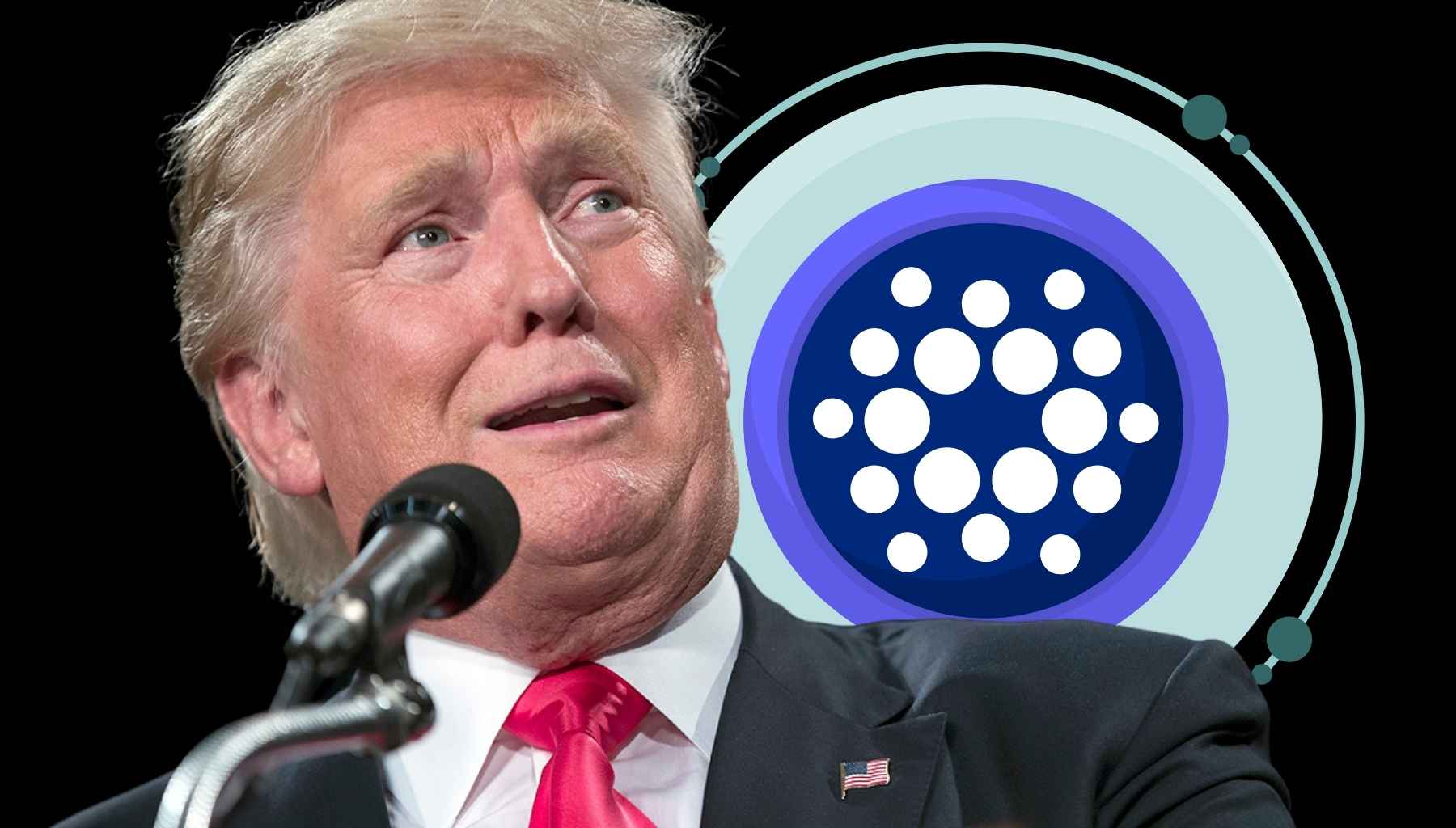
In a candid interview with Bitcoin commentator Scott Melker on the podcast “The Wolf of All Streets,” Charles Hoskinson, the founder of the cryptocurrency platform Cardano, brought attention to the pressing issues surrounding U.S. cryptocurrency legislation. He expressed deep concerns regarding the stagnation of crucial laws that could shape the future of crypto in America.
Concerns Over Legislative Progress
One of Hoskinson’s key worries is the Digital Asset Market Clarity Act, commonly referred to as the CLARITY Act. Although this legislation aims to provide a clear regulatory framework for cryptocurrencies, Hoskinson is skeptical about its passage within the current quarter. He insists that the political landscape is vital to advancing this act and warned that the upcoming midterm elections could complicate matters further.
If the Democrats regain control of the House of Representatives, Hoskinson fears the CLARITY Act may be deprioritized, resulting in confusion and uncertainty for developers in the crypto space. This reluctance to establish clear guidelines hampers innovation and growth potential in the sector.
The Impact of Current Political Figures
Hoskinson did not hold back his criticism of David Sacks, a cryptocurrency advisor to former President Donald Trump. He attributes much of the current regulatory chaos to Sacks, labeling him as ineffective in his role. According to Hoskinson, the lack of direction and vague regulations have made it challenging for entrepreneurs and developers to navigate the crypto landscape.
He indicated that since Trump took office, the prices of many cryptocurrencies have seen a downturn of 40% to 50%. This decline, according to Hoskinson, reflects a distressing trend within the market, signaling a loss of vision and a need for renewed guidance.
What the CLARITY Act Entails
Initially proposed in May 2025, the CLARITY Act has gained some bipartisan support, with significant backing from financial and agricultural committees within the House of Representatives. The act aims to delineate responsibilities among regulatory bodies, specifically the SEC and the CFTC, which currently both oversee various aspects of cryptocurrency, leading to confusion.
Moreover, the Act provides essential guidelines on how different types of tokens should be categorized and regulated, a crucial step for fostering a responsible, coherent market environment.
Concerns About Wall Street’s Influence
Beyond the CLARITY Act, Hoskinson expressed trepidations about other proposals, such as the GENIUS Act, which focuses specifically on stablecoins. He argues that such legislation could empower large financial institutions at the expense of individual investors and spark a shift away from the foundational ideas of decentralization that initially drove the cryptocurrency movement.
Names like BlackRock, Goldman Sachs, and Morgan Stanley were mentioned as potential players that could dominate the landscape, a scenario Hoskinson views with great concern.
The Global Nature of Cryptocurrency
Hoskinson also criticized nationalistic approaches to cryptocurrency regulation, warning against initiatives tied to Trump and the perception that crypto can be confined within borders. He believes that cryptocurrency, by its very essence, transcends national boundaries. While he acknowledges the importance of regulatory frameworks, he advocates for a cooperative approach that encourages innovation rather than stifling it.
He maintains that the development of comprehensive policies must promote collaboration with industry stakeholders to achieve a sustainable and future-proof regulatory environment.