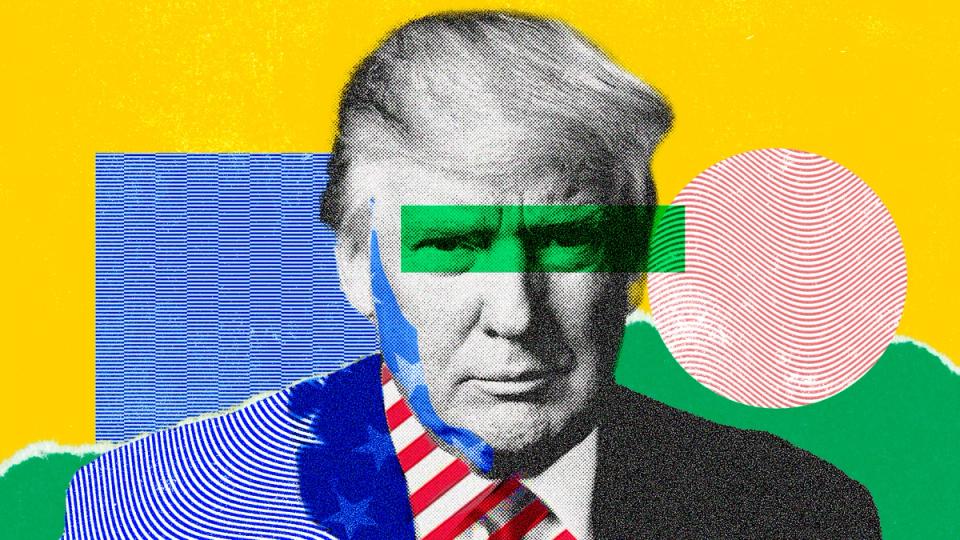
The fluctuations in Bitcoin’s value highlight the complex relationship between cryptocurrency markets and broader economic factors. Recently, Bitcoin surged to approximately $67,000 after a brief dip close to $65,900. This volatility coincided with statements from U.S. President Donald Trump regarding the national trade deficit.
Trade Deficit Insights
On Wednesday, Trump claimed through a post on Truth Social that the U.S. trade deficit has decreased by 78% due to the implementation of tariffs on imports. He expressed optimism that, for the first time in decades, the trade deficit might shift into positive territory later this year.
Market Reactions and Economic Implications
This assertion has sparked discussions among traders but may hold limited relevance for the cryptocurrency sector. The focus is not just on Trump’s declarations but how these developments can create familiar pressures in the financial markets.
Tariffs act as additional costs on imports, potentially escalating prices in the economy. Such changes may complicate the trajectory of interest rates. Typically, when markets begin to anticipate prolonged periods of higher interest rates, the U.S. dollar tends to strengthen, making riskier assets less attractive.
Current Trends in Bitcoin Trading
In recent weeks, Bitcoin’s trading activity has mirrored broader macroeconomic movements rather than being driven by specific cryptocurrency catalysts. It has responded to shifts in liquidity and interest rate expectations, showcasing its role as a barometer for broader financial trends.
Trade Deficit and Economic Data
So far this year, the U.S. trade deficit has narrowed significantly to about $29.4 billion, marking the lowest level since 2009. Analysts attribute this reduction to declining imports and increasing exports, along with the repercussions of looming tariffs.
However, experts caution that a portion of this fluctuation may result from non-monetary gold flows, suggesting that month-to-month figures could appear more favorable than the underlying economic reality.
Future Considerations for Cryptocurrency Markets
As the narrative surrounding tariffs evolves, it may influence the strength of the dollar and lead to tighter financial conditions. Such changes could pose challenges for Bitcoin’s rallies. Conversely, if the discourse shifts towards political noise rather than economic fundamentals, Bitcoin might return to being influenced more by market flows, leverage, and the ability of buyers to reclaim previous price levels.
Understanding these dynamics is crucial for investors and consumers alike. The interplay between cryptocurrency values and economic indicators emphasizes the importance of staying informed about both financial trends and governmental policies.