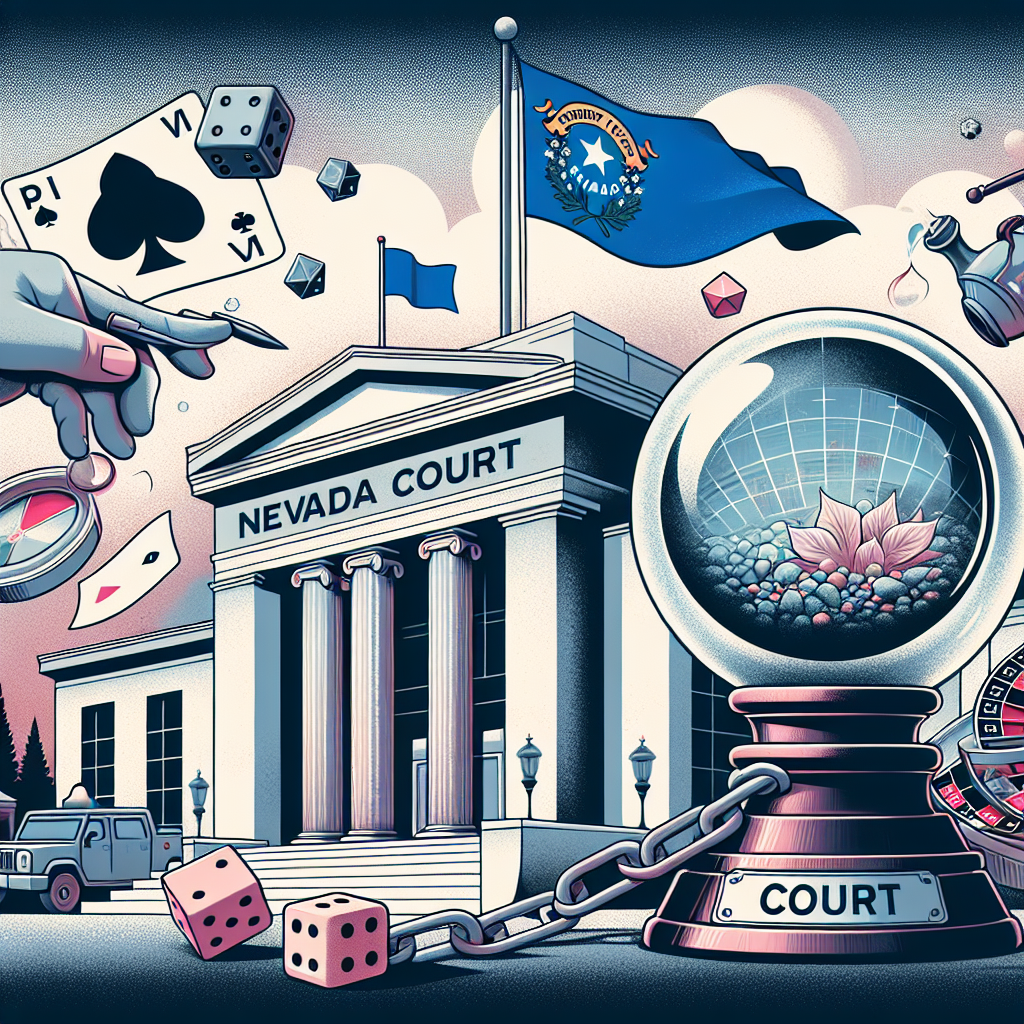
Impact of Legal Battles on Kalshi and the Future of Prediction Markets
Kalshi, a company specializing in prediction markets, is facing significant regulatory hurdles following a recent judicial ruling in Nevada. A state judge has imposed a temporary restraining order, halting the operation of Kalshi for a period of 14 days. This legal action underscores broader implications for the burgeoning field of prediction markets, particularly concerning compliance with gambling laws.
Details of the Court Ruling
On Friday, Carson City District Court Judge Jason Woodbury granted the restraining order at the request of the Nevada Gaming Control Board (NGCB), which raised concerns about Kalshi’s event contracts being categorized as unlicensed gambling. These contracts covered various topics, including sports, elections, and entertainment, prompting regulators to classify them under state law as illegal “sports pools.”
Kalshi’s Response and Wider Legal Context
Kalshi’s defense hinges on the assertion that its activities fall under the jurisdiction of the Commodity Futures Trading Commission (CFTC) rather than state regulations. CEO Tarek Mansour has described the accusations from regulators in states like Arizona and Massachusetts as an overreach. The company is actively appealing decisions in multiple jurisdictions, emphasizing its argument for federal oversight over state gambling laws.
Community and Regulatory Perspectives
The ruling amplifies the conversation about the role of prediction markets in modern society. Mike Dreitzer, Chair of the Nevada Gaming Control Board, articulated the necessity of state regulation for safeguarding public interests, indicating that platforms like Kalshi could inadvertently enable illegal betting practices. “Prediction markets, to the extent they facilitate unlicensed gambling, are illegal in Nevada,” he stated.
The Bigger Picture: Trends in Gambling Regulation
This case could set a significant precedent regarding how prediction markets are regulated across the United States. As other states observe the developments in Nevada, the outcome may influence their own approaches to similar regulatory challenges. The ongoing struggles have garnered interest not just from industry players but also from legal experts who are watching how the lines between gambling and trading blur in the digital age.
Conclusion
The temporary closure of Kalshi in Nevada highlights critical issues surrounding gambling regulations and the evolving landscape of prediction markets. As legal disputes continue to unfold, the broader implications for both the market and regulatory bodies will be a topic of keen interest, affecting how prediction platforms operate in the future while seeking a balance between innovation and compliance.