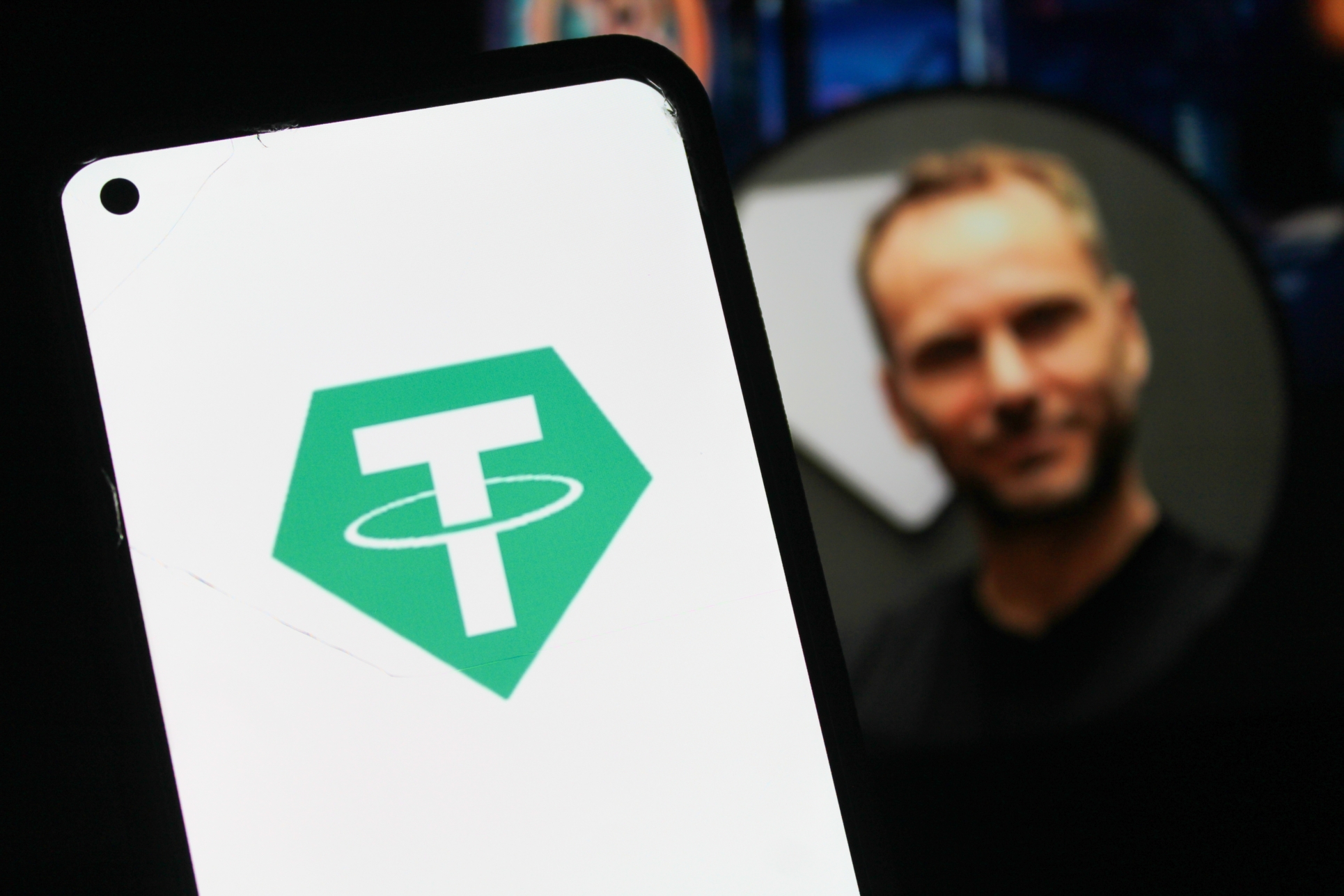
The Turkish authorities have made headlines recently by freezing hundreds of millions in cryptocurrency assets as part of an extensive investigation into illegal online gambling and money laundering. This operation highlights a growing trend among governments to scrutinize the cryptocurrency landscape amidst rising concerns over illicit activities.
Impact on Cryptocurrency Regulation
The case involves significant figures in the world of cryptocurrency, notably Veysel Sahin, who is accused of orchestrating an illegal online gambling and money laundering network. His assets, now frozen, exemplify the increasing efforts by governments to combat the dark side of crypto transactions. Turkish authorities seized these assets in collaboration with Tether, the company behind the leading stablecoin, USDT. This coordinated effort illustrates how stablecoins are often utilized in both legitimate and criminal activities.
Tether’s Cooperation with Authorities
Tether has stepped up its involvement with law enforcement agencies globally, including the U.S. Department of Justice and the FBI. According to Tether’s Chief Technology Officer, Paolo Ardoino, the company is committed to freezing stablecoins once authorities present credible evidence. This proactive approach demonstrates Tether’s ambition to dissociate itself from the perception that its currency mainly fuels criminal enterprises. The firm claims to have frozen billions of dollars in suspicious funds across various countries, thereby reinforcing its role in nurturing a responsible cryptocurrency ecosystem.
Turkey’s Crackdown on Crypto Crimes
The investigation into Sahin aligns with a broader effort by Turkish officials, who have so far confiscated over a billion dollars in assets related to criminal cryptocurrency transactions. Following the freeze of Sahin’s funds, another substantial amount of cryptocurrency has reportedly been locked, raising questions about the extent of regulatory oversight in the sector.
The Growing Role of Stablecoins
This case underscores the increasing importance of stablecoins like USDT within the realm of both lawful payments and unlawful networks. Recent analyses indicate that thousands of cryptocurrency wallets have been blocked by stablecoin issuers, many of which held USDT. This trend is drawing attention to how digital assets can become tools for both innovation and illegality.
The response from Turkish authorities reflects a larger narrative in the worldwide discussion around cryptocurrencies—how to harness their potential for growth while effectively addressing abuse and criminal activities. With partnerships like that of Tether and law enforcement agencies, a proactive regulatory framework is emerging, aiming to stabilize the cryptocurrency environment and mitigate risks associated with illicit usage.