New Regulatory Framework on the Horizon for Cryptocurrencies
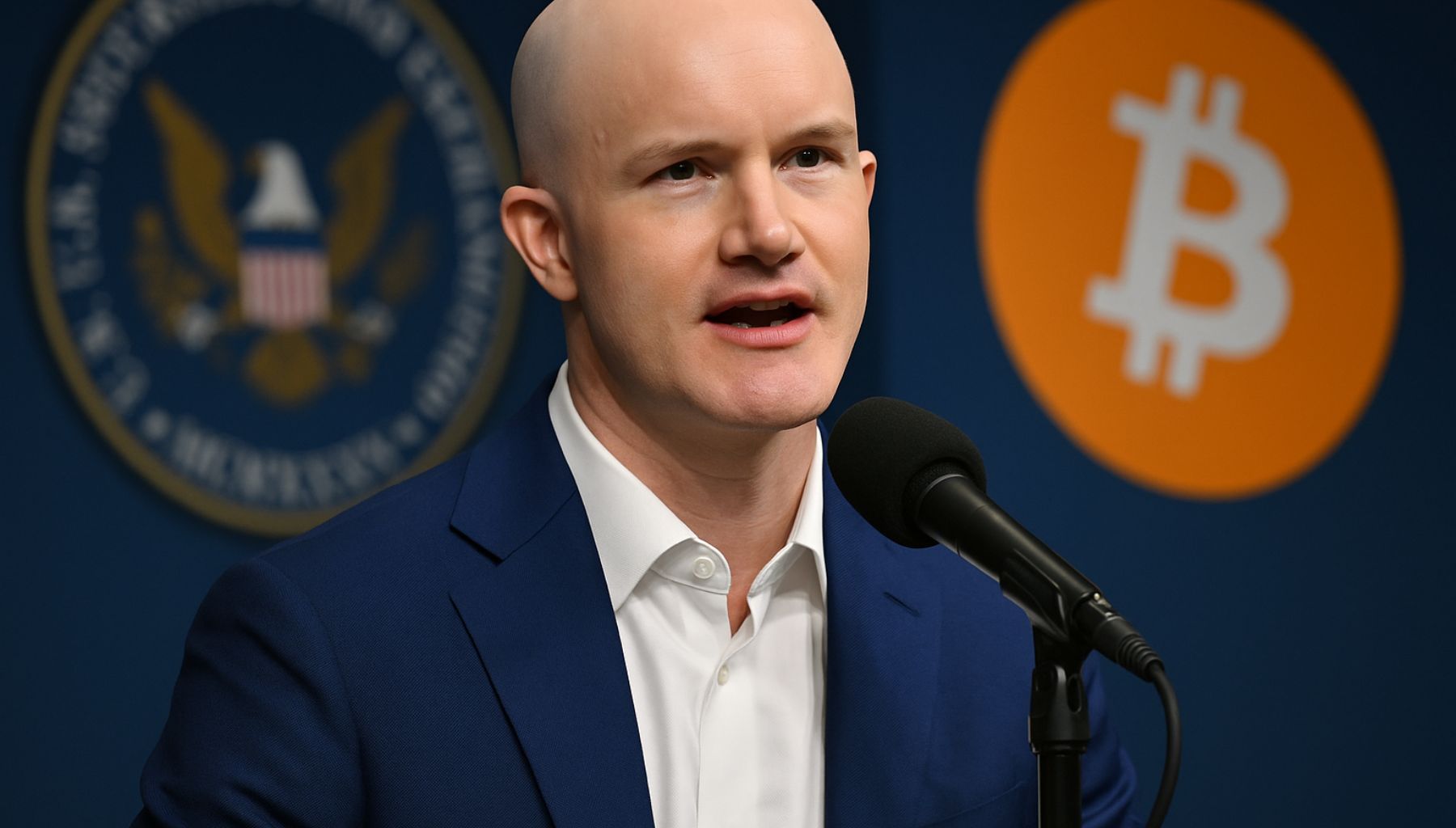
The landscape of cryptocurrency regulation is poised for significant change with the introduction of the Clarity Act in Congress. This proposal aims to establish a detailed regulatory framework for digital assets, which experts believe is essential for attracting institutional investment in cryptocurrencies such as Ethereum.
Demand for Institutional Investment
The push for clearer regulations is not just a procedural necessity; it’s seen as a crucial step for fostering trust and stability in the cryptocurrency market. Institutional investors have been hesitant to engage with digital assets largely due to ambiguity surrounding legal frameworks. The Clarity Act seeks to mitigate these concerns, potentially ushering in a new era of investment in cryptocurrencies.
Ethereum’s Market Movements
Recent data from Ethereum’s on-chain transactions reveals notable shifts in investor behavior. Specifically, there has been a 47% decrease in coins held for short to medium-term durations (1 week to 1 month), while those held for very short periods (1 day to 1 week) surged by 65%. This trend indicates a growing tendency among traders to engage in short-term selling strategies, potentially reflecting a more volatile trading environment.
The Broader Impact on Altcoins
As Ethereum continues to dominate the digital asset landscape, it may influence the broader cryptocurrency market dynamics. Historical patterns suggest that large-cap tokens often follow Ethereum’s price movements, especially during selective liquidity shifts. This phenomenon could lead to what many are labeling an “altseason,” wherein alternative cryptocurrencies also experience a surge in value alongside Ethereum.
Conclusion: A Shift in the Cryptocurrency Ecosystem
The introduction of the Clarity Act, coupled with Ethereum’s shifting market trends, could signify a transformative moment for the cryptocurrency sector. By establishing a clear regulatory framework, the Clarity Act may not only provide much-needed stability but also catalyze increased participation from institutional investors. As the market continues to evolve, keeping an eye on these developments will be crucial for those interested in the future of digital assets.