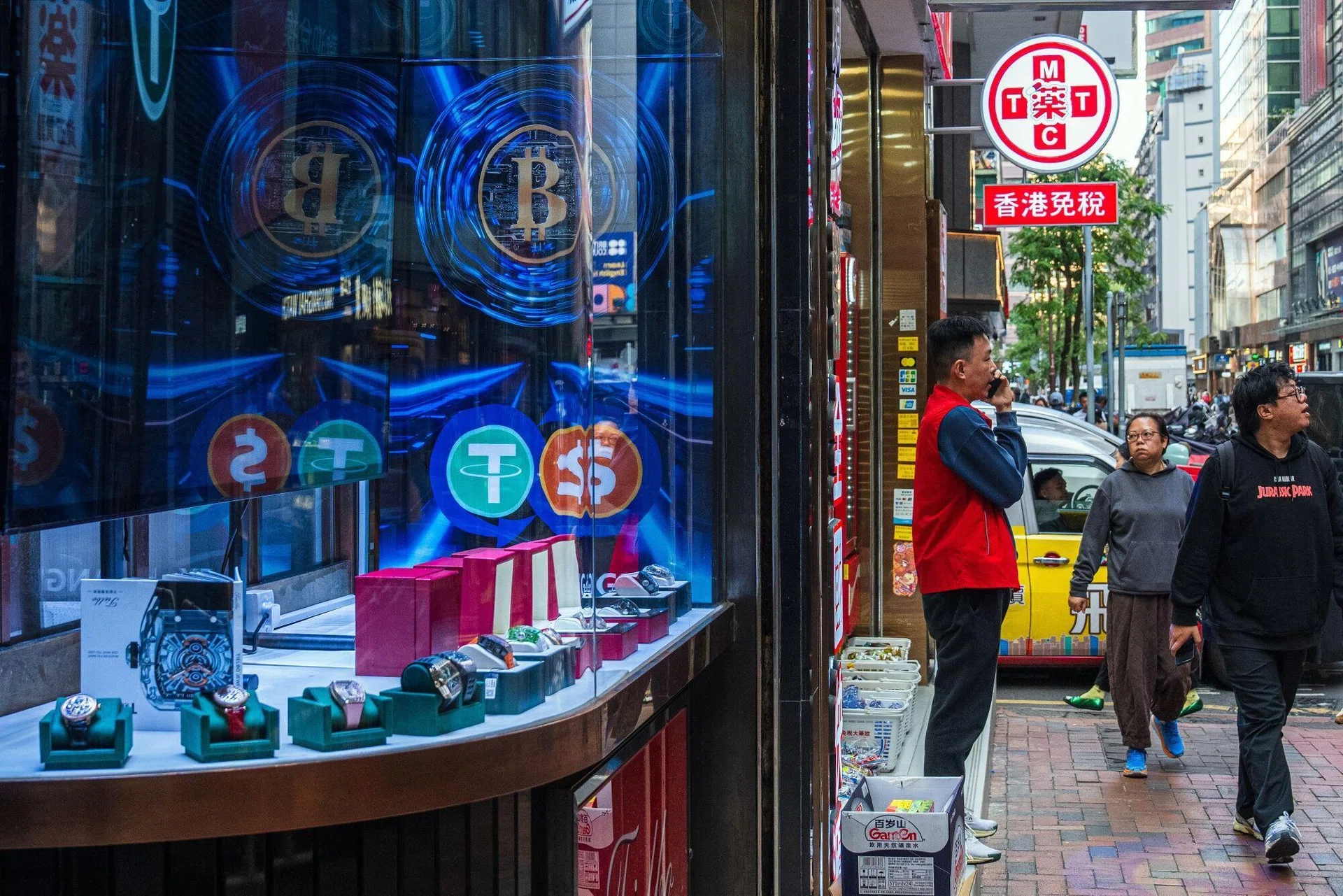
The recent downturn in the cryptocurrency market has not only shattered the dreams of many retail investors but has also raised red flags about the future of altcoins. Since early October, the market dynamics for these smaller cryptocurrencies—beyond the flagship Bitcoin—have shifted dramatically.
The Collapse of Altcoins
Altcoins have witnessed their market value decrease by an astonishing US$200 billion, marking a significant decline that has left many investors in distress. A MarketVector index tracking lesser-known tokens has plummeted nearly 70% this year, hitting its lowest point since early 2020. The once-thriving community of retail speculators, who often engaged in buying these tokens in hopes of quick profits, has largely abandoned ship amid this turbulent environment.
The Shift in Investment Focus
Investors are starting to evaluate cryptocurrencies similarly to traditional stocks, emphasizing factors like actual users, revenue, and functionality. This change has been fueled by a competitive landscape, as alternative investment channels, including zero-day options and leveraged exchange-traded funds (ETFs), emerge. These choices offer a more stable and quicker potential return, making them attractive to investors seeking safer bets.
Market Fundamentals Are Changing
Whether it’s meme coins or decentralized finance projects, many altcoins once thrived on speculation and market hype. However, with mainstream retail traders finding little return on investment in these assets, they are diverting their attention to sectors showing more promise, such as artificial intelligence and renewable energy. The notion of “buying early and hoping for larger profits later” is showing signs of fatigue as many investors become increasingly skeptical about the long-term viability of numerous altcoins.
Market Sentiment and Investor Behavior
Jack Melnick, a trader in digital assets, pointed to a notable trend among investors: many are shifting towards crypto-based stock bets, which allow them to engage with established companies like Apple and Tesla while still operating in the digital realm. This transition has resulted in diminishing interest in the altcoin market, further distancing capital from smaller tokens that once enjoyed speculative booms.
The Role of New Financial Products
In the current market climate, new products that allow investors to engage with companies in a more conventional manner are gaining popularity. Decentralized platforms now enable tools to create contracts related to stock indexes and private shares, offering traders the opportunity to capitalize on existing market structures rather than the chaotic altcoin scene.
Future Prospects for Altcoins
While the outlook for altcoins appears bleak, they are unlikely to disappear entirely. A subset of tokens, such as BNB and HYPE, have managed to maintain stability by adopting revenue-generating practices akin to stock buybacks. Nevertheless, these exceptions underscore the rarity of successful altcoins amidst a sea of declining values.
According to analysts, this seismic shift reflects a larger trend within the cryptocurrency space, where traditional valuation metrics increasingly define worth. For now, altcoins are caught in a challenging cycle of growing isolation as investors gravitate toward safer, more reliable investments in more established markets.